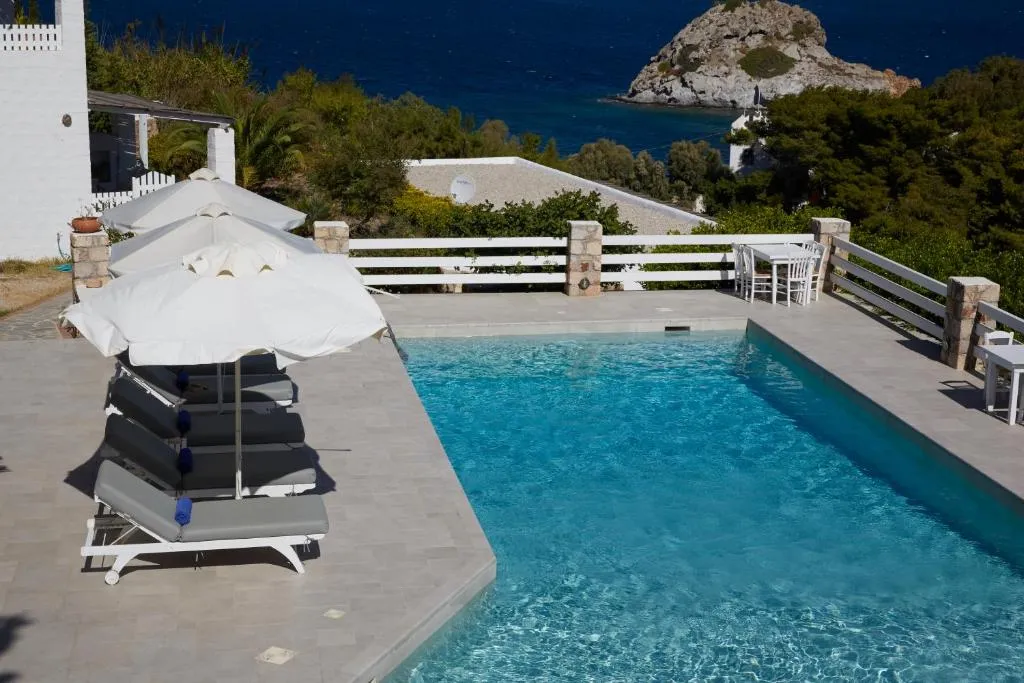
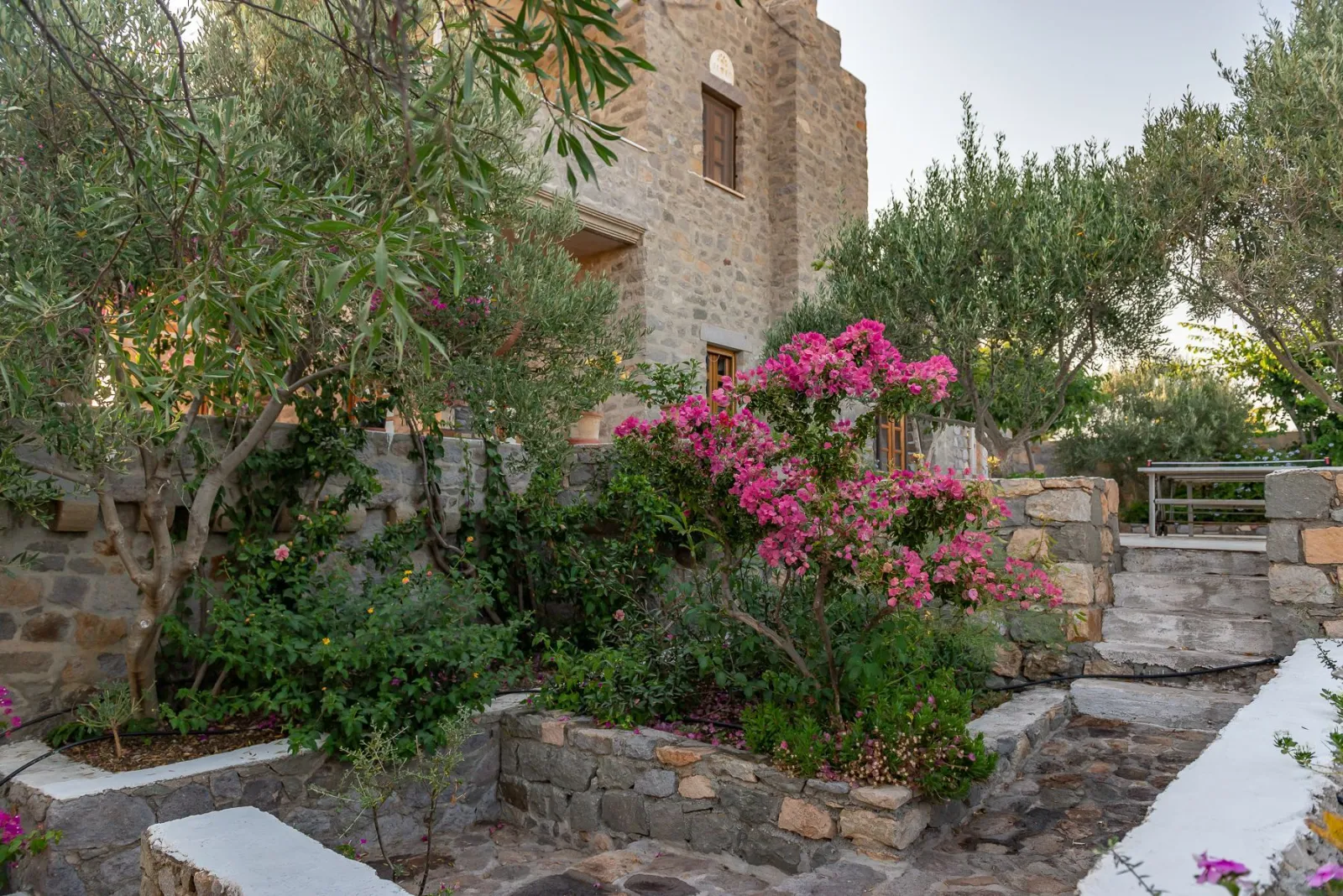
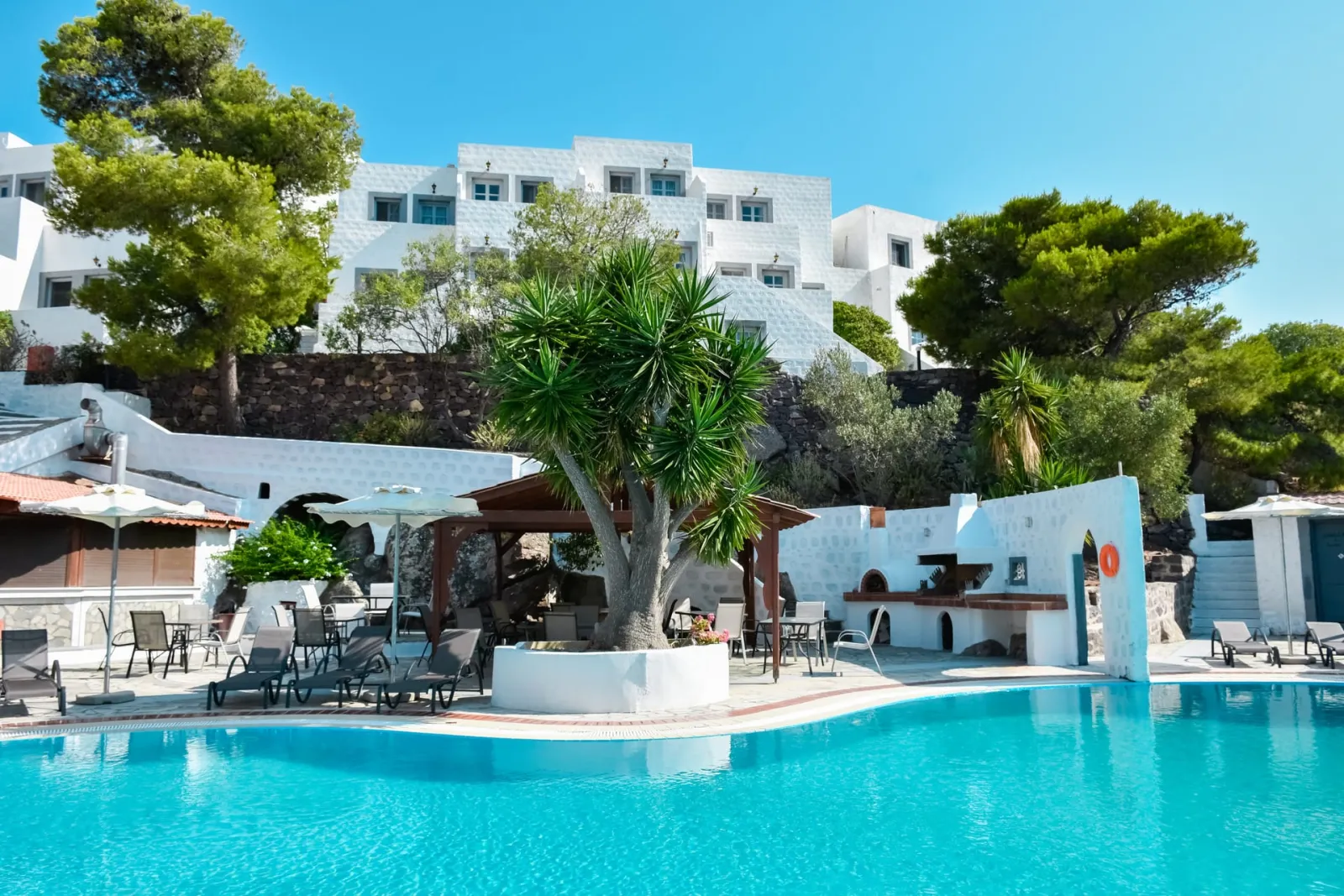
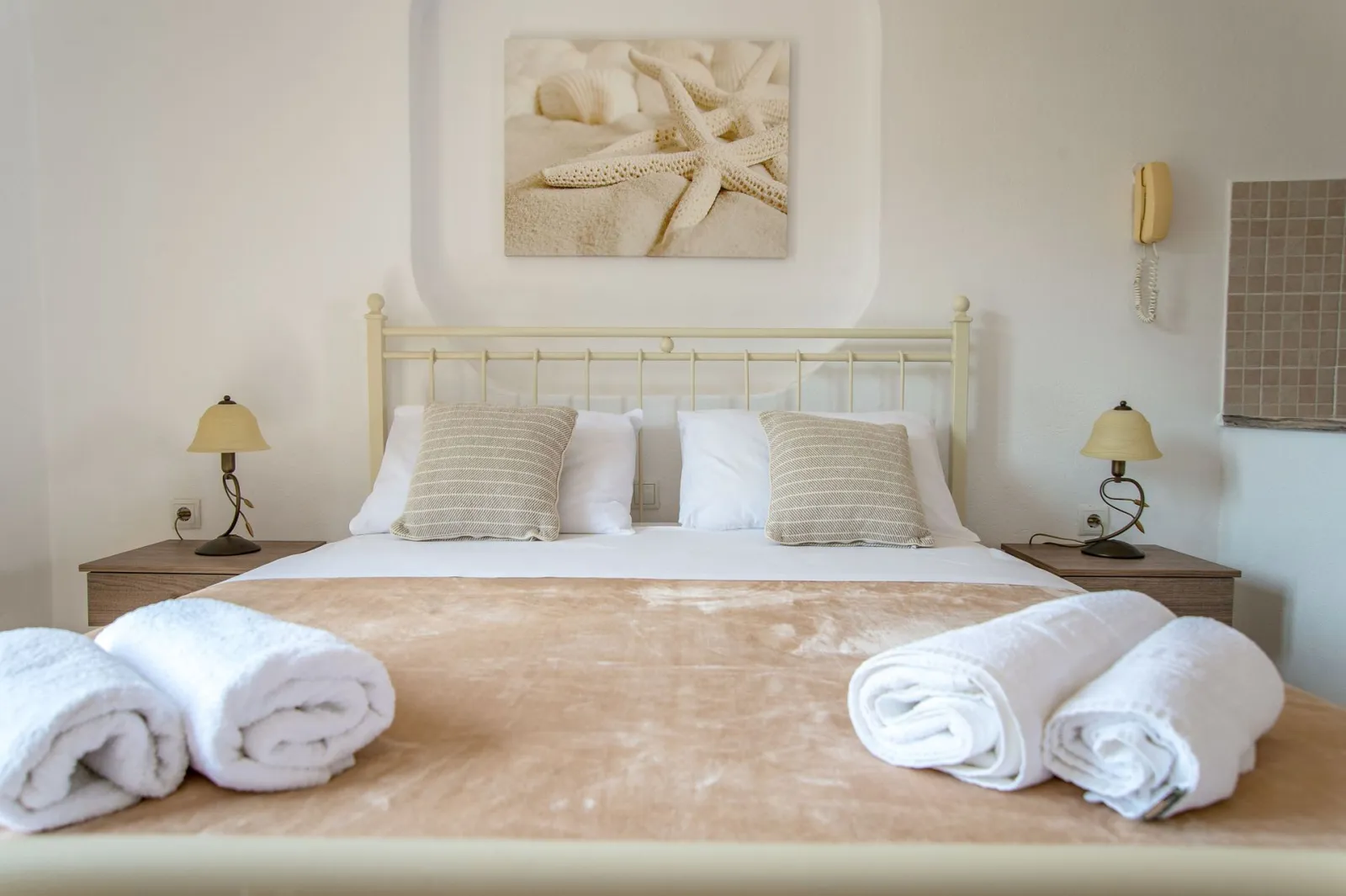
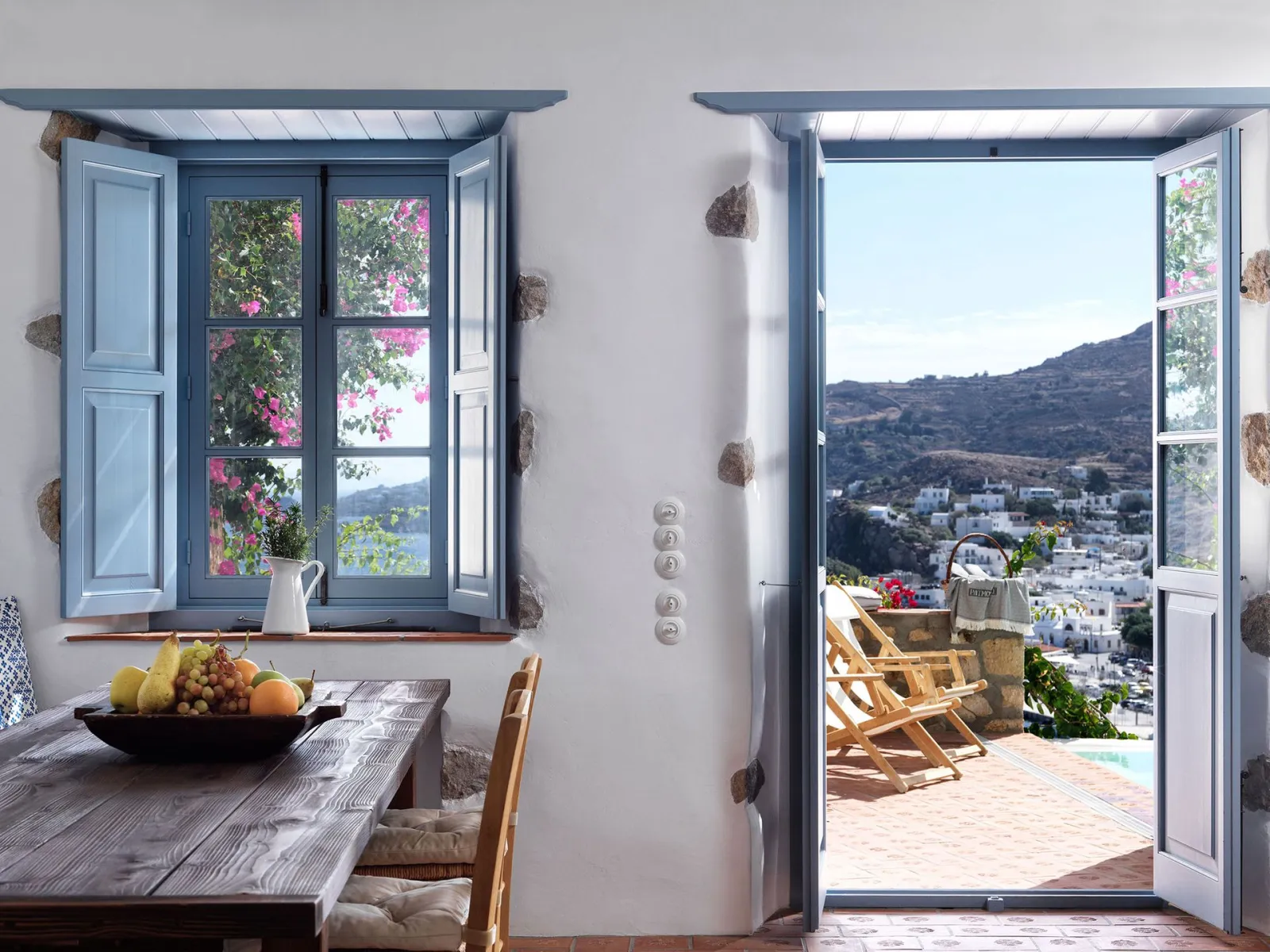
9 Muses Exclusive Apartments Patmos is a residential complex located in the Sapsila area of Patmos. The property consists of 13 apartments and villas, each offering private accommodation with individual living spaces...

12 Properties
Patmos is a small Greek island in the northern Dodecanese, known for its religious significance, restrained architecture, and quiet pace of life. Unlike larger Aegean destinations, Patmos has remained relatively low-key, with development shaped by tradition rather than mass tourism.
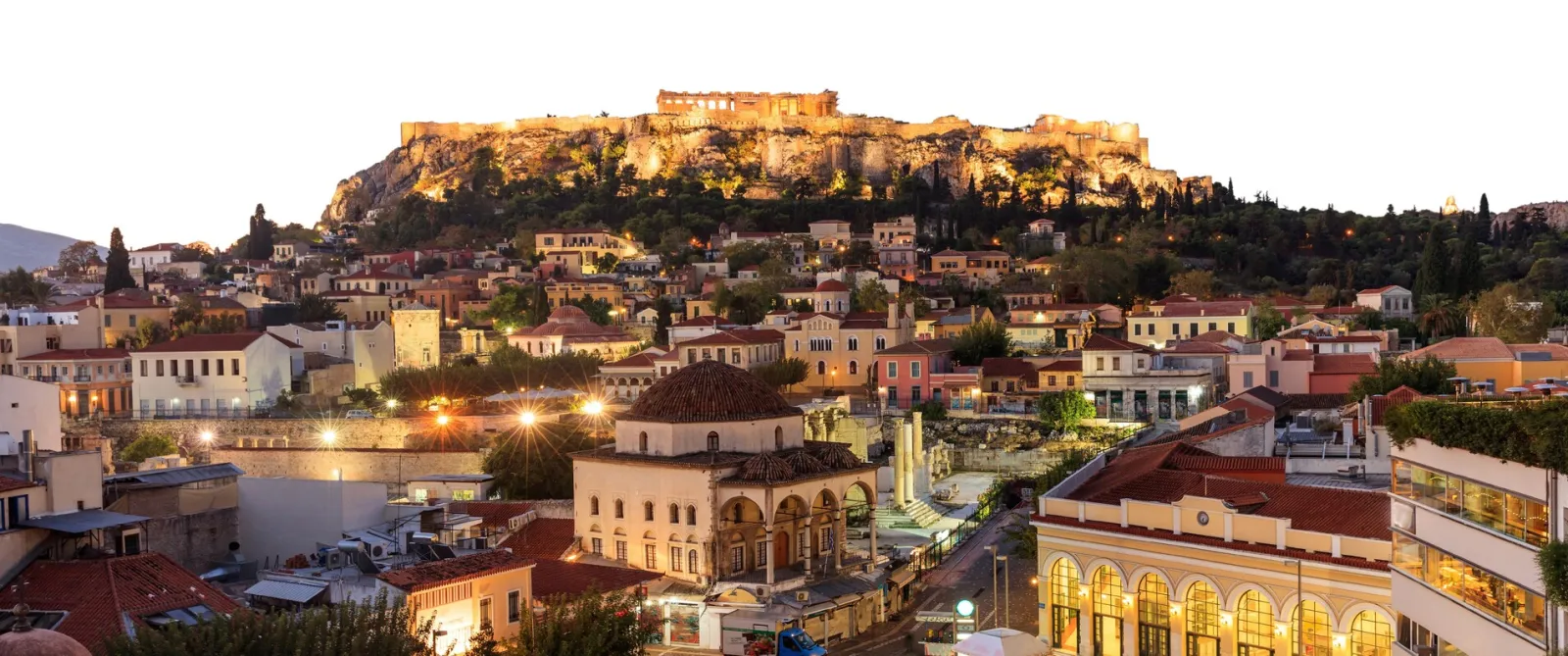
The island is best known as the place where Saint John is believed to have written the Book of Revelation. This heritage is centered in Chora, the main settlement, where the Monastery of Saint John the Theologian dominates the hilltop. The monastery, a UNESCO World Heritage Site, is still active and plays a central role in the island’s identity. Nearby, the Cave of the Apocalypse is an important pilgrimage site and open to visitors.
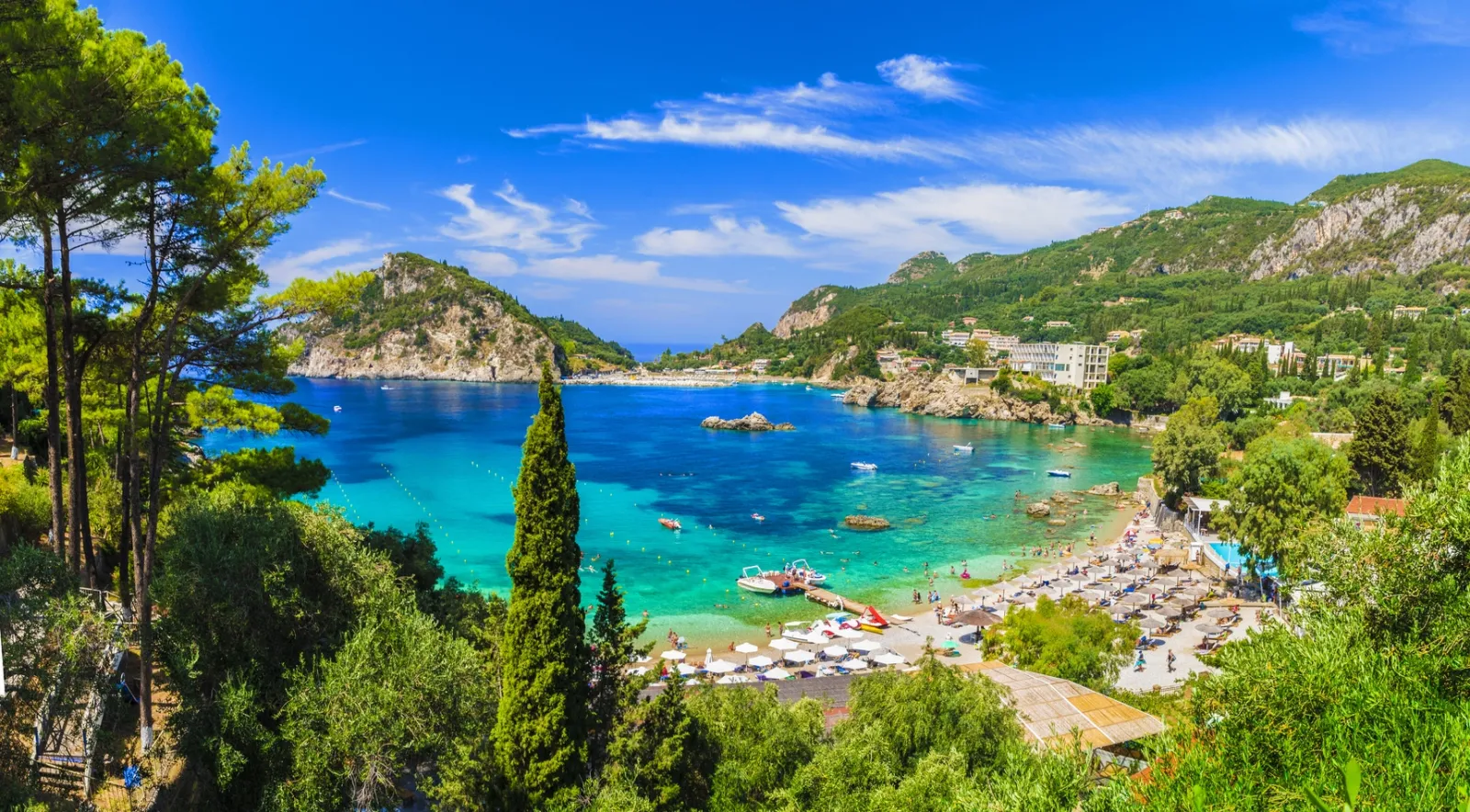
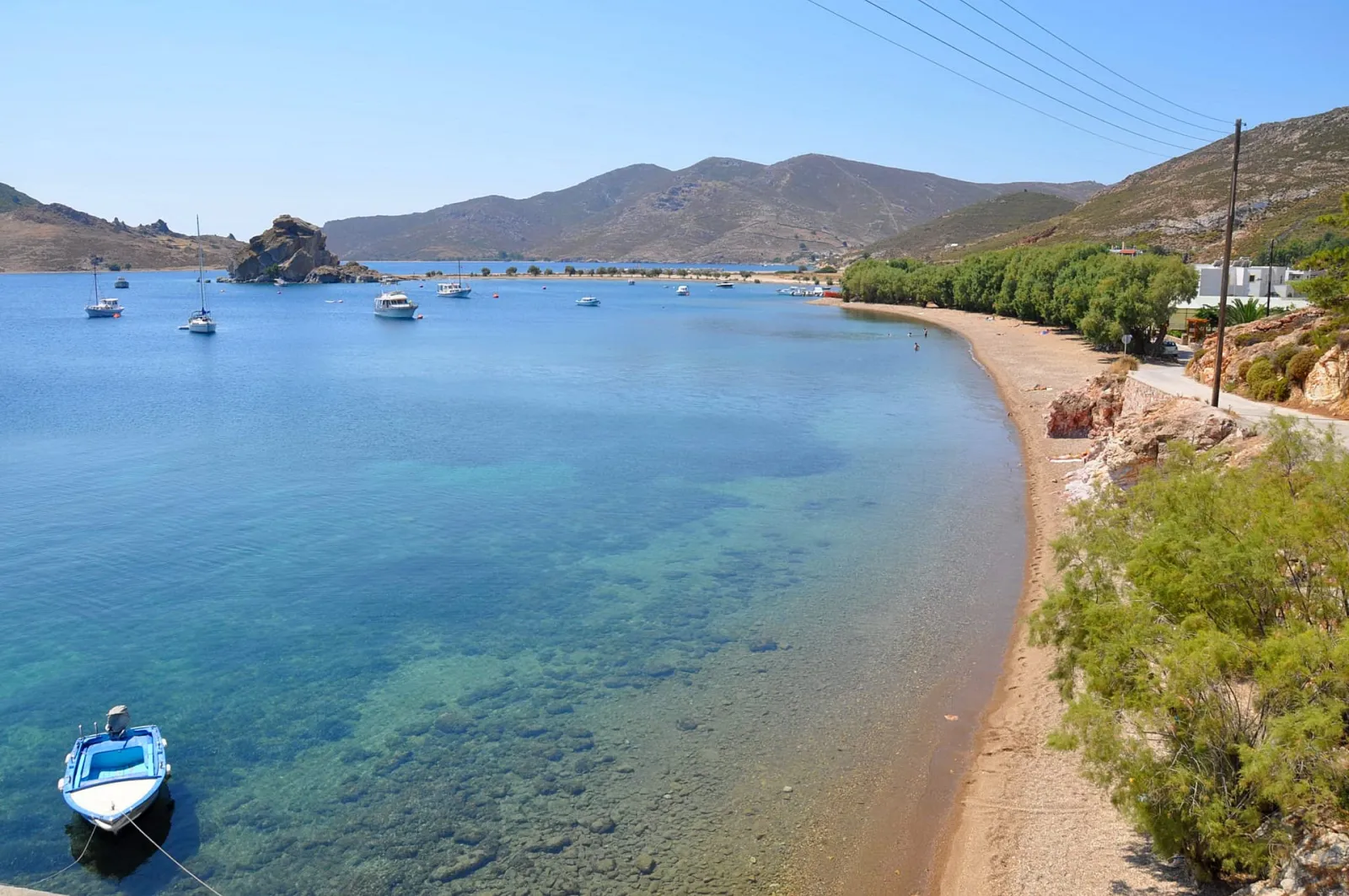
Beyond its religious importance, Patmos offers a varied coastline with small bays, pebbled coves, and clear waters suitable for swimming and snorkeling. Beaches such as Agriolivadi, Psili Ammos, and Kampos are easily accessible and remain largely unspoiled. The interior of the island is characterized by low hills, stone paths, and scattered chapels.
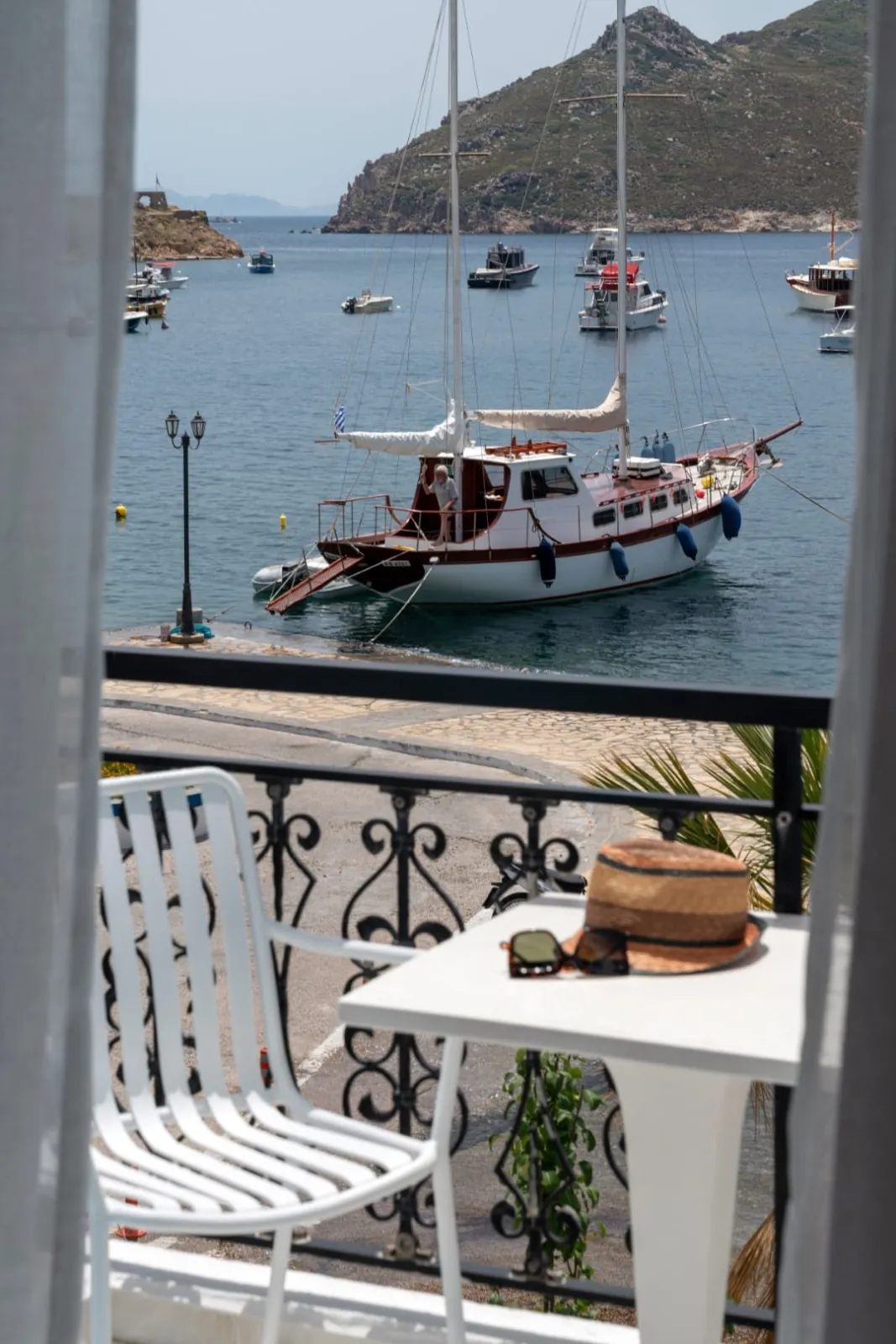
Accommodation on Patmos mainly consists of small hotels, guesthouses, and apartments, particularly around Skala, the main port. Dining focuses on local Greek cuisine, with an emphasis on fresh fish, seasonal vegetables, and simple, well-prepared dishes.
Patmos appeals primarily to travelers interested in history, culture, and a calm environment. It is well suited for those looking to explore a traditional Greek island with strong spiritual roots, walkable settlements, and a measured, authentic atmosphere rather than nightlife or large resorts.



Check routes, compare prices, and book ferry tickets for all major Greek islands in one place.